
In modern commercial architecture, energy efficiency is no longer just a nice-to-have—it’s a necessity. Rising electricity costs, stricter green building norms, and increasing environmental awareness are pushing architects and developers toward innovative design solutions.
One such solution making waves in India is the uPVC louver. Known for its durability, low maintenance, and excellent thermal properties, uPVC louvers are being widely adopted for commercial buildings in cities like Mumbai, Delhi, Bangalore, and Pune.
These louvers are more than just façade elements—they actively improve a building’s energy performance while enhancing its visual appeal. Let’s explore exactly how they achieve this.
What Are uPVC Louvers?
uPVC Louvers are external architectural elements made from Unplasticized Polyvinyl Chloride—a rigid, weather-resistant, and eco-friendly material. Unlike traditional PVC, uPVC contains no harmful plasticizers, making it safer for the environment and more durable for long-term use.
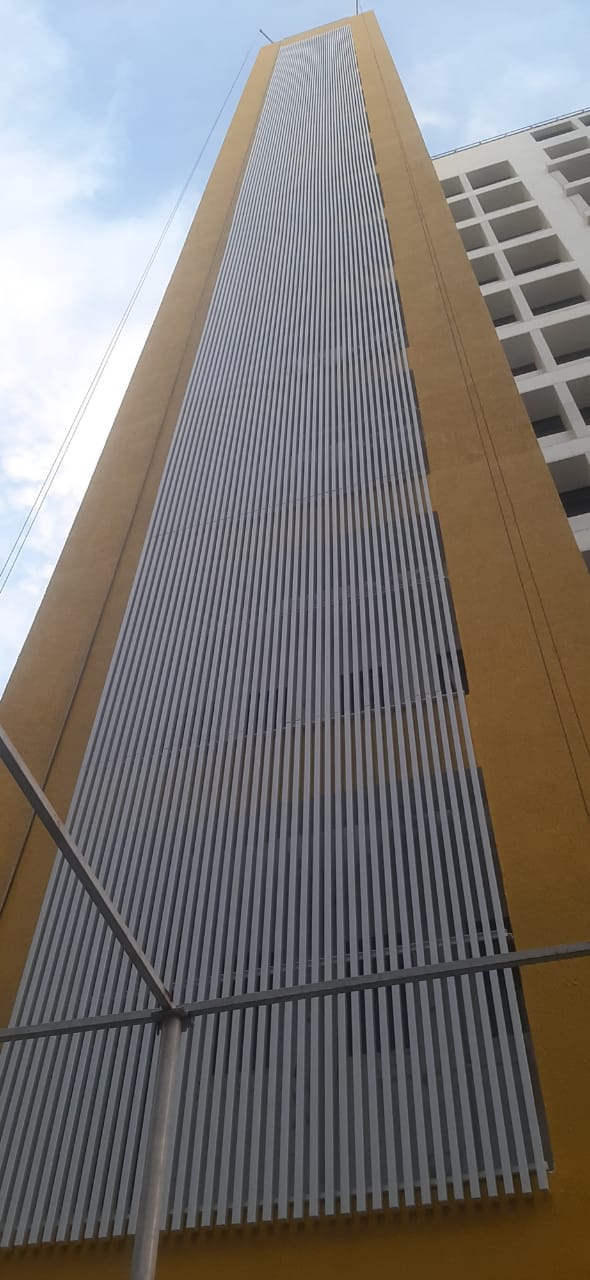
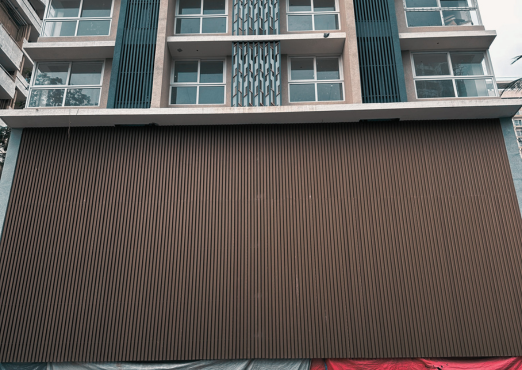
They can be designed in horizontal, vertical, or angled configurations to:
- Block direct sunlight
- Reduce heat gain
- Allow natural ventilation
- Improve building aesthetics
In India, uPVC louvers are increasingly used in commercial projects like office towers, malls, hospitals, and hotels, especially in hot and humid climates.
How uPVC Louvers Enhance Energy Efficiency
1. Reducing Solar Heat Gain
Commercial buildings with large glass façades often suffer from excessive heat gain during summer months. This increases reliance on air conditioning, leading to higher electricity bills.
uPVC louvers act as shading devices, blocking high-angle sunlight while still allowing daylight to filter in. In Indian climates—especially in cities like Ahmedabad, Jaipur, or Hyderabad, where temperatures can soar—this can significantly cut cooling loads.
Estimated savings: Up to 25–30% reduction in annual cooling energy consumption.
2. Daylighting Without Overheating
Natural light improves employee productivity and reduces artificial lighting costs. However, direct sunlight can cause glare and unwanted heat.
uPVC louvers filter sunlight so interiors stay bright but comfortable. This balance means you can switch off artificial lights during the day without overheating the space—a crucial advantage for buildings in tropical cities like Chennai and Goa.
3. Thermal Insulation Advantages
Metal shading systems can conduct heat, transferring warmth indoors. uPVC, however, is a poor conductor of heat, acting as a natural insulator.
This means uPVC louvers prevent outdoor heat from radiating inside, reducing air conditioning loads and keeping indoor spaces comfortable year-round.
4. Durability in Indian Weather Conditions
India’s diverse climate—from Mumbai’s humidity to Rajasthan’s dry heat—can be tough on building materials.
uPVC louvers are:
- UV resistant (no fading under harsh sunlight)
- Non-corrosive (ideal for coastal areas like Kochi or Visakhapatnam)
- Resistant to rain, dust, and pollution (perfect for metro cities like Delhi NCR)
Their long lifespan means performance stays consistent, ensuring ongoing energy savings without frequent replacements.
5. Contribution to Green Building Certifications
For developers aiming for LEED, IGBC, or GRIHA certification, uPVC louvers contribute to points under:
- Energy Efficiency (reduced cooling demand)
- Sustainable Materials (uPVC is recyclable and non-toxic)
- Indoor Environmental Quality (controlled glare and improved comfort)
This not only improves a project’s environmental credentials but also boosts its market value.
Local Benefits for Indian Commercial Projects
If you’re searching for uPVC louvers manufacturers in India, you’ll find suppliers offering custom designs for specific building orientations and climates.
Some common local use cases include:
- Mumbai & Goa – Protection against humidity and salt corrosion near coastal areas.
- Delhi NCR & Jaipur – Heat control during extreme summers.
- Bangalore & Pune – Energy-efficient shading for IT parks and corporate offices.
- Ahmedabad & Hyderabad – Glare control for west-facing façades in high-heat zones.
Additional Benefits Beyond Energy Efficiency
While reducing energy costs is the primary advantage, uPVC louvers also offer:
- Design Flexibility – Available in various shapes, colors, and sizes to suit architectural style.
- Lightweight Construction – Reduces load on building structure.
- Low Maintenance – No rust, repainting, or corrosion treatment required.
- Cost-Effectiveness – Long-term savings compared to aluminum or steel louvers.
Best Practices for Maximum Efficiency
To get the most from your uPVC louvers in India:
- Hire an architect to determine optimal placement and angle based on building location.
- Combine with double-glazed or energy-efficient glass.
- Use horizontal louvers for south-facing façades and vertical louvers for east/west-facing façades.
- For best results, use 3D simulation tools to predict energy savings before installation.
Conclusion
uPVC LouversUpvc Louvers are an intelligent, eco-friendly choice for enhancing the energy efficiency of commercial buildings in India. By reducing solar heat gain, controlling daylight, and offering excellent insulation, they help cut electricity bills while improving occupant comfort.
Whether you’re building a new office in Delhi, renovating a hotel in Mumbai, or designing a shopping mall in Bangalore, uPVC louvers offer a perfect blend of functionality, sustainability, and modern aesthetics.
For developers and architects committed to creating future-ready commercial spaces, uPVC louvers are not just an option—they’re a necessity.